

Side Notes
by BB Soto
The thoughts that don’t make the main text—but matter anyway ♥️
All Side Notes
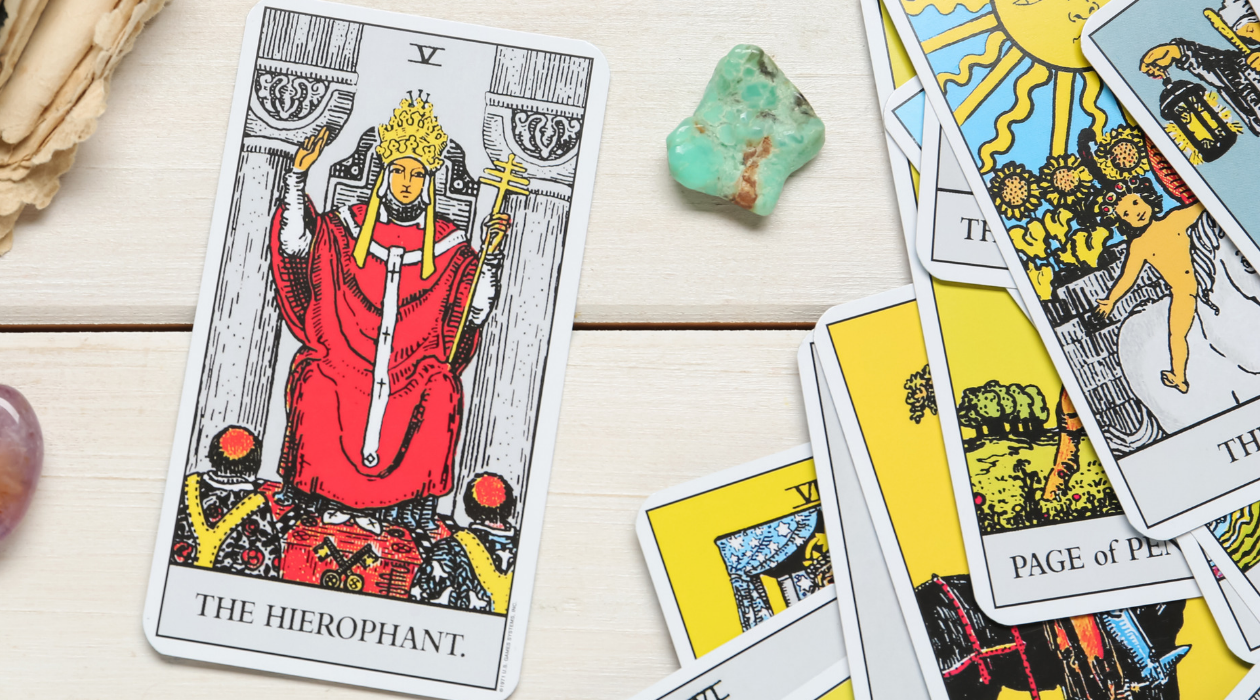
Tarot Symbolism: The Hierophant
The triple crown, triple cross scepter, and crossed keys are all traditional regalia and insignia of the papal office. The crossed keys show that he sits on St. Peter's throne, referencing Jesus giving Peter the keys to the Church, and they remain part of the papacy's official emblem. Beyond these specific attributes, three small black crosses appear on his robe, and three figures appear in the scene. Anything in triplicate when it comes to Catholicism references one thing—the Holy Trinity. And though the concept of triplicity is deeply rooted in many mythologies and religions, its presentation in this image points to one thing—Catholic father of all the fathers.
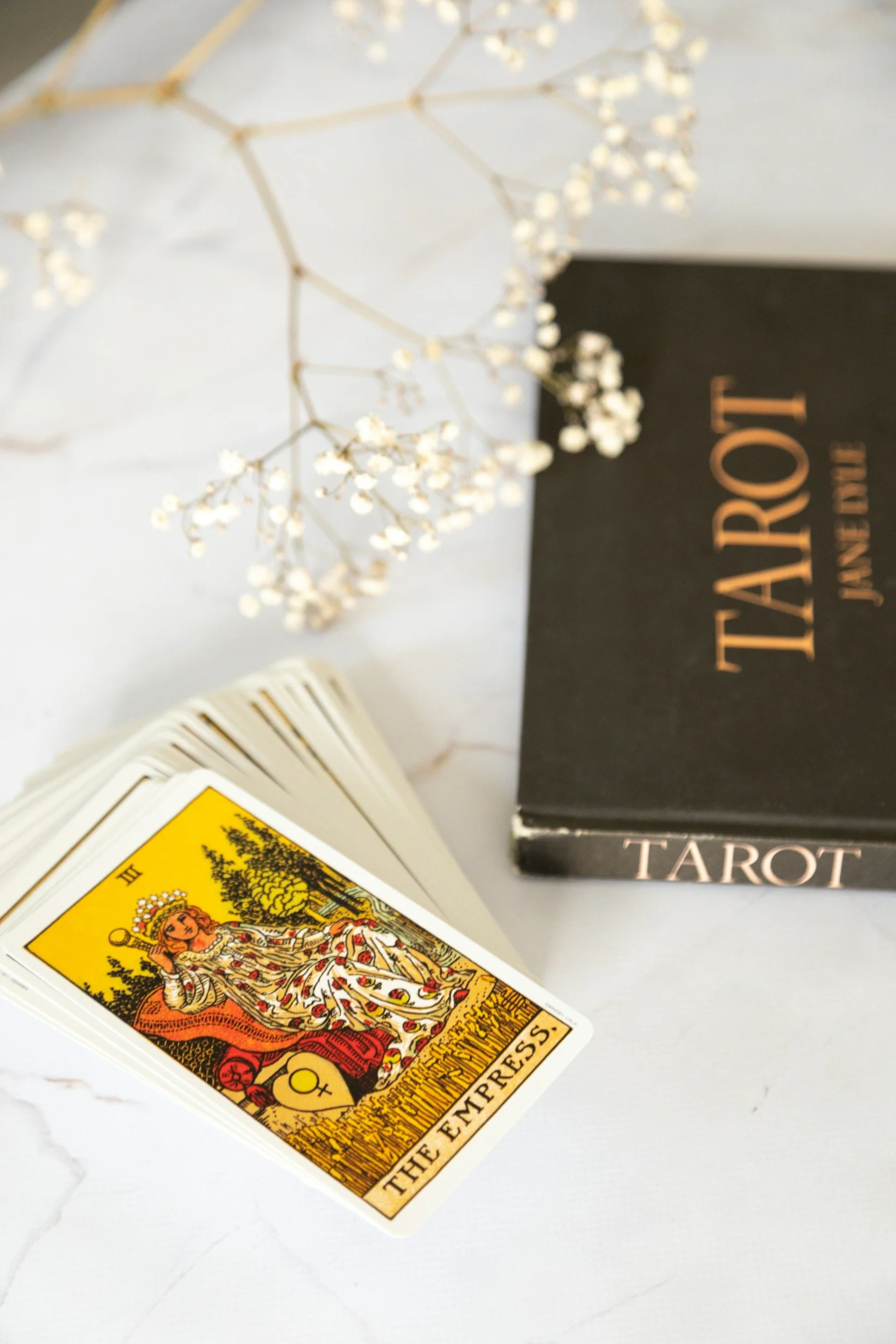
Tarot FAQ’s from My Table
Over the years, a few questions have come up often enough to become my personal Tarot FAQs. These are not the same as the information I provide for getting a reading, so if those are questions you have, please check out my Tarot page for answers to more generalized questions. These are the most frequently asked by people who usually get a reading from me at a public market, and they range from general curiosity to people who may be interested in learning to read for themselves. So in case you’ve ever wondered…
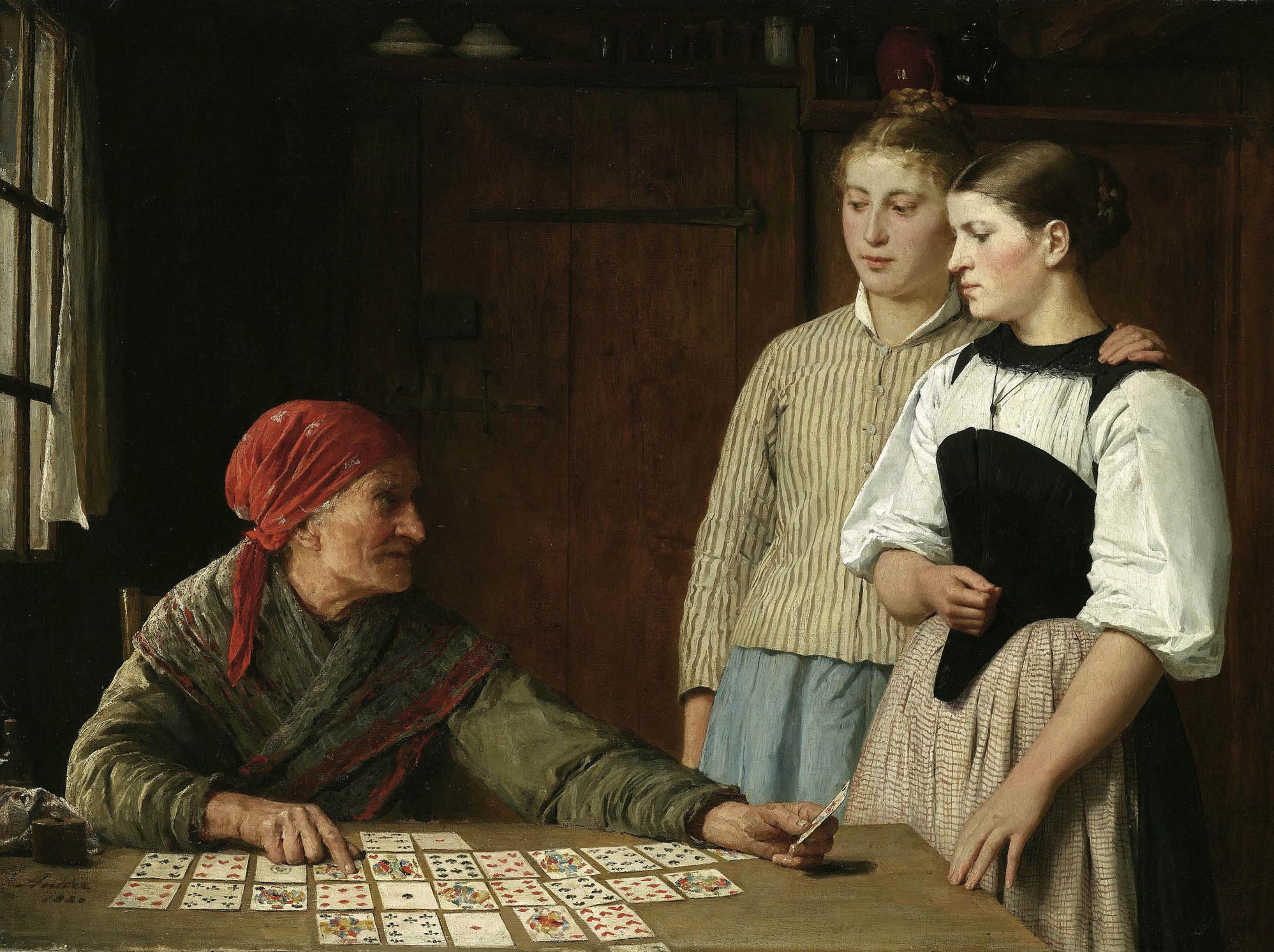
Align Your Year with Tarot & Astrology
With so many people using this time to reflect and reset—their minds focused on planning the year ahead—I get a lot of calls around this time asking for readings. Over the years, I've uncovered more and more ways a person can use Tarot and Astrology to look ahead and receive internal and spiritual guidance for living their cosmically aligned life.
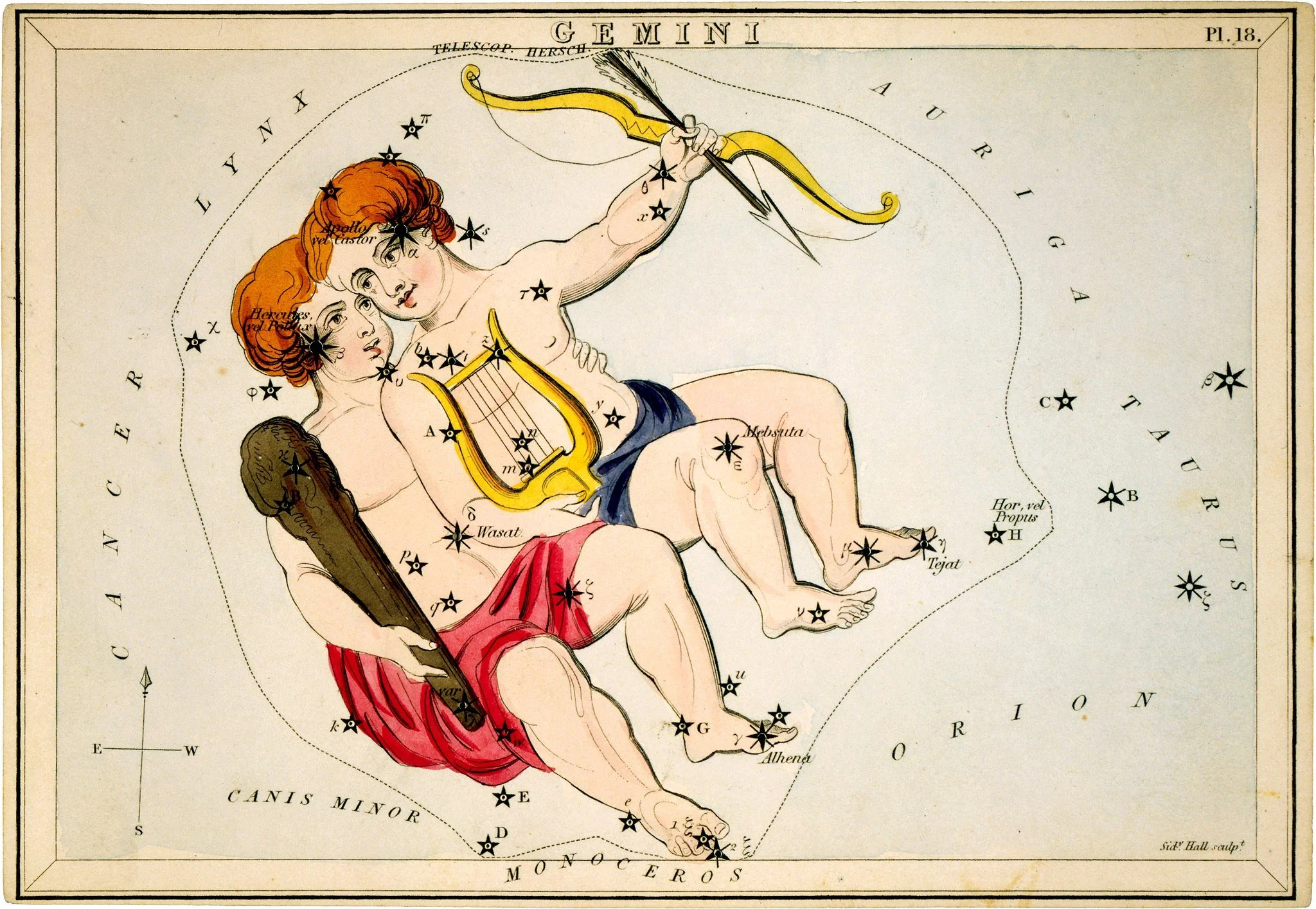
Understanding Gemini's Duality Through Myths and Tarot
So in honor of it being the season of the twins, one that is near and dear to my family's hearts, let’s indulge in some mythological musings about the constellation Gemini, shall we?

Pluto Squares, Pain & Dreams
There are various theories for the symbolism and metaphorical interpretations around Sleeping Beauty and one of these intersects with myths like Persephone's, both involving maidens taken into an underworld—Persephone against her will into Hades, the actual underworld, and Sleeping Beauty spends near 100 years (in at least one version of the tale) in Pluto's domain of dreams.
Winter Solstice: Traditions and Tarot Spread
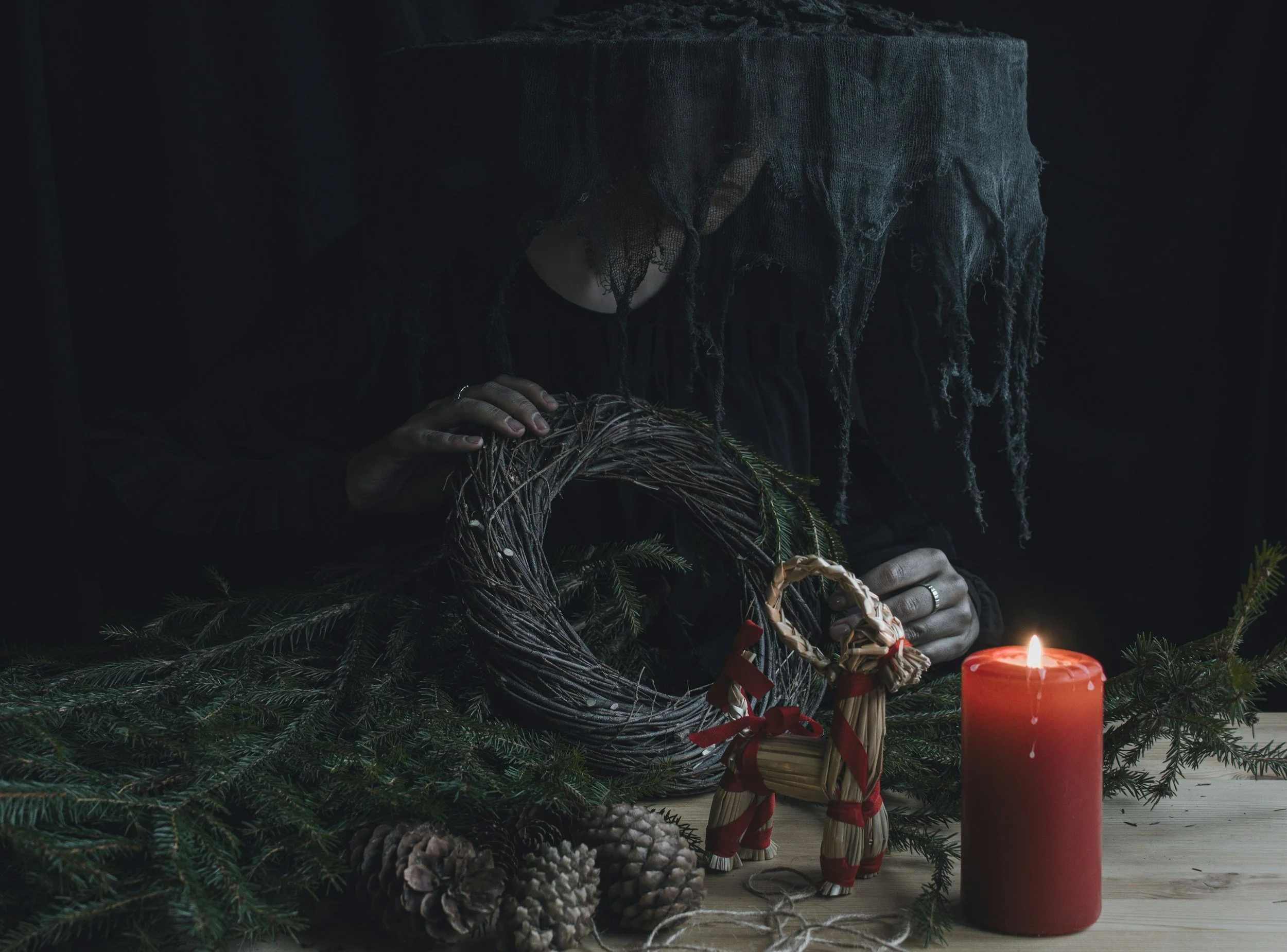
A group of spectral riders led by Odin—known as the "Yule King" in Germanic-Norse versions—conducts a supernatural hunt during the Winter Solstice. This event was seen as an ominous sign that foretold wars, plagues, or death.
Witnesses weren't merely spectators, either. Legend has it that the ghostly riders might snatch them away, never to be seen again.
The spread is based on the concept of these ghostly riders—who I believe symbolically represent the past coming in to haunt us, possibly taking us if we don’t protect ourselves from their force, or leaving us to begin anew.
Exploring Divination Practices: Tarot and Symbolism
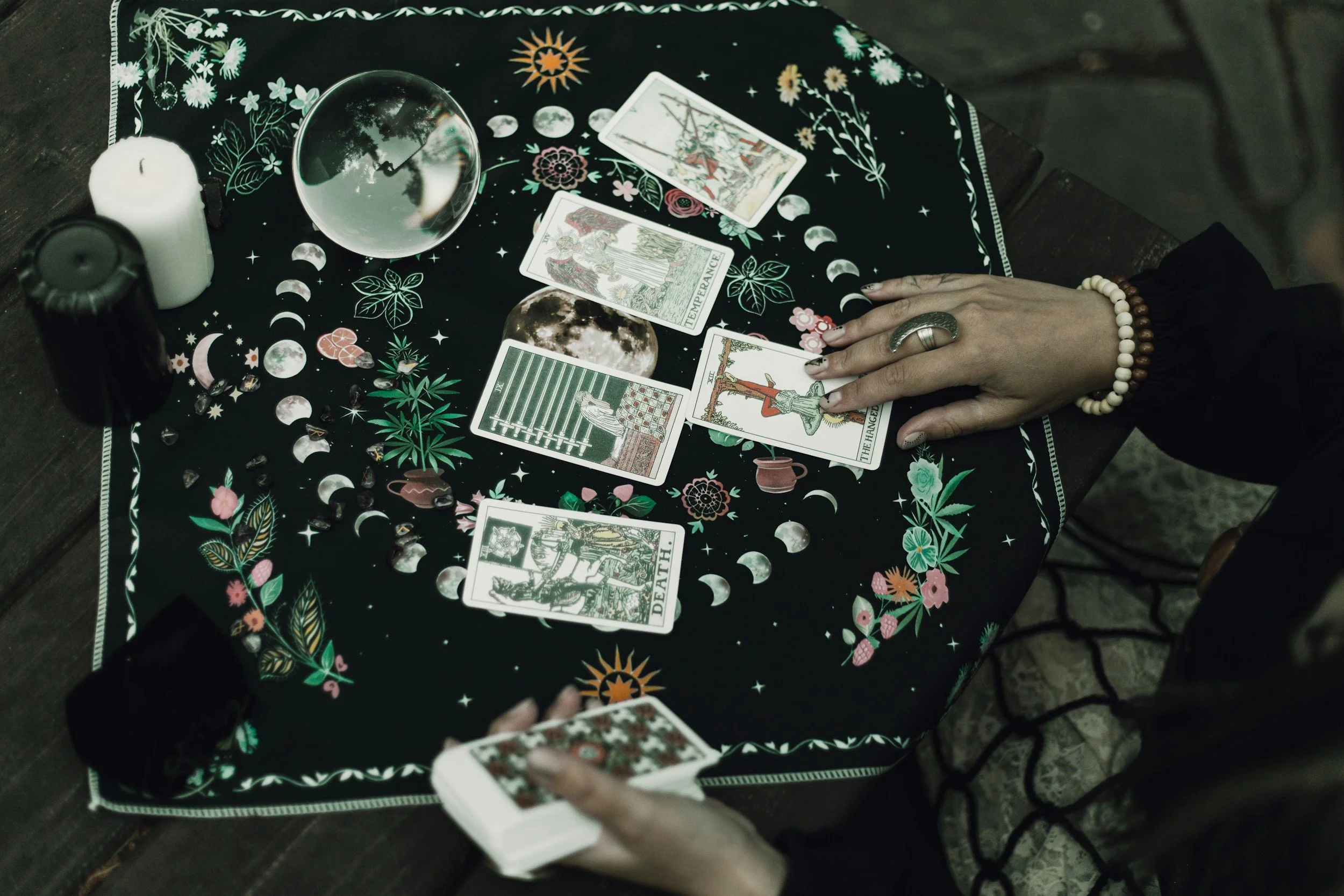
In this post, I share some of my favorite resources that I either have on my shelves or have used. I've checked out some from the library; others are web references or tarot readers and astrologers. These resources explore the many ways the universe can communicate with us and what people across cultures have often said these symbols mean.

Understanding Chiron: The Wounded Healer in Astrology (& Tarot)
In Greek mythology, Chiron was a centaur known for his wisdom, healing abilities, and mentorship. Unlike other centaurs, often depicted as wild and unruly, Chiron was revered for his knowledge and compassion. He was the son of the Titan Cronus and the nymph Philyra, making him half-god and half-horse.
Chiron's early life was marked by rejection and abandonment. His father, Cronus, was disgusted by Chiron's half-horse appearance and rejected him at birth. His mother, Philyra, was so ashamed of giving birth to such a creature that she begged the gods to transform her into a linden tree to escape her misery. This early experience of parental rejection became a fundamental wound for Chiron, shaping his compassionate nature and his ability to nurture others despite his own pain.
Chiron’s story is one of both pain and healing. Despite his divine heritage and immense knowledge, he suffered an incurable wound from a poisoned arrow. The injury occurred by accident when Heracles, battling angry centaurs, unintentionally struck Chiron with an arrow dipped in Hydra’s blood.
Mabon Tarot Spread: Harvesting Insight and Gratitude
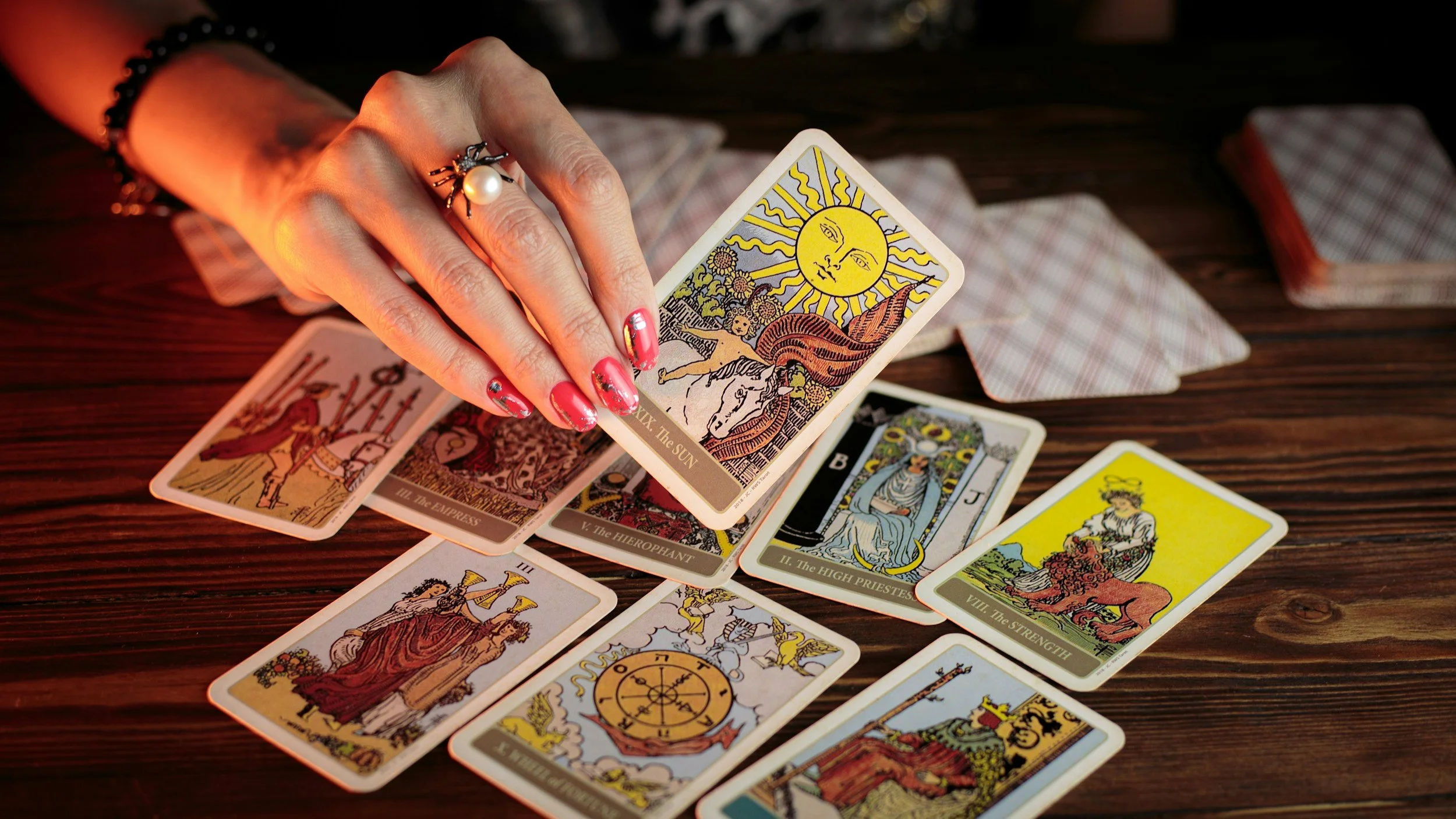
Mabon, or the Autumn Equinox, celebrates the second harvest and the balance of day and night. This year, on September 22, Mabon is a time to honor balance, reflection, and gratitude for the year's abundance.
Historically, this sabbat didn’t have a specific name—it was simply the harvest celebration held in September. In the 1970s, Aidan Kelly, founder of the Wiccan group Covenant of the Goddess, coined the term Mabon. Though Mabon ap Modron, a Welsh deity, isn’t directly connected to the fall equinox or harvest, Kelly chose the name for its symbolic resonance with the season. The name has since become widely accepted.
Tarot Symbolism & The Masculine
My bachelor’s in art history means I spent a great deal of time in my youth studying the history and mythology of Greece. Take any survey art history class in America and you will too. The Greeks are kind of a big deal in that field of study. They made many contributions to Western art. Like, a lot.
But when my husband and I honeymooned in Greece, no one warned us about the penises.
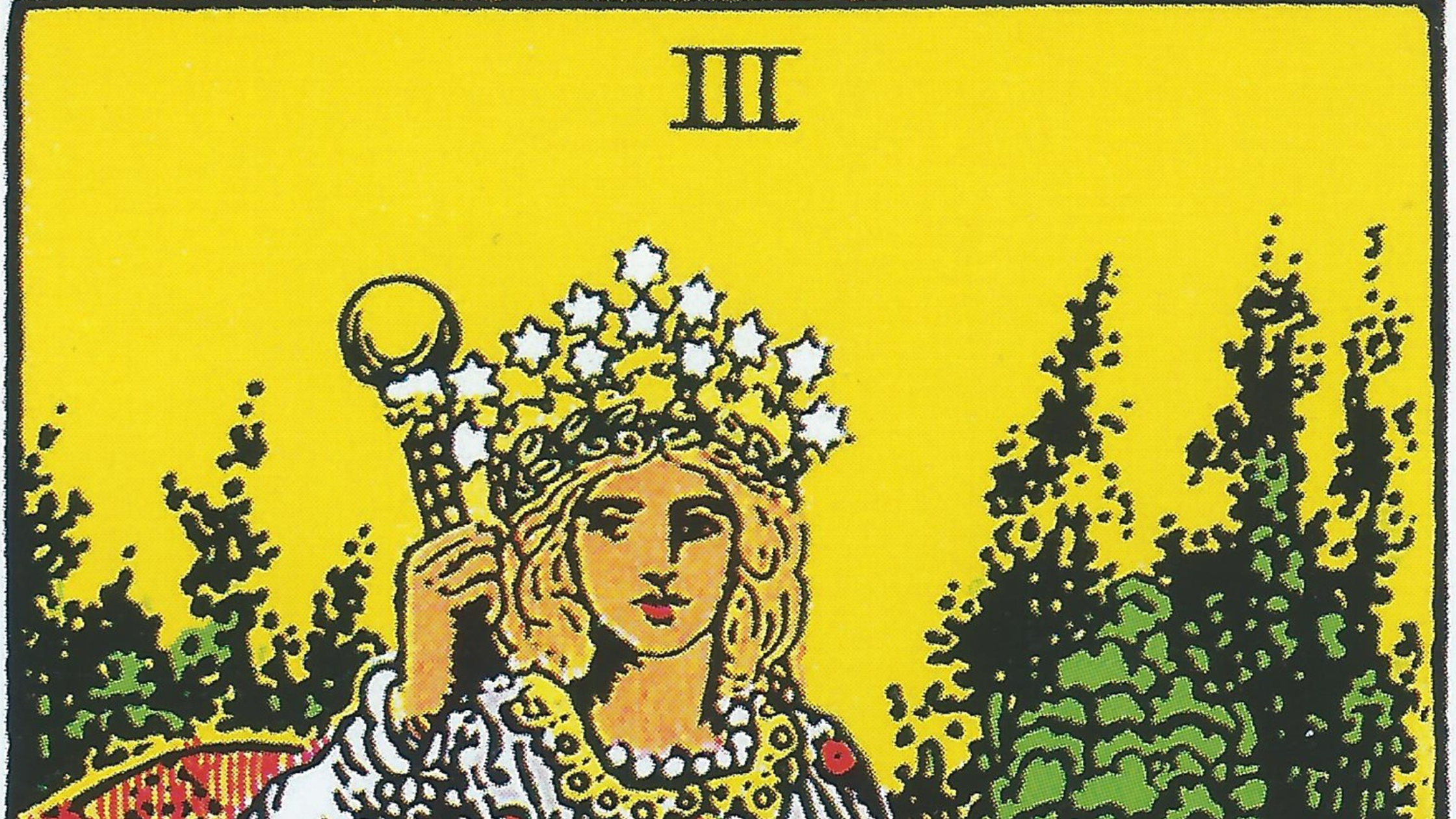
Tarot Symbolism: The Star Crown & Astrology
“ A great and wondrous sign appeared in heaven: a woman clothed with the sun, with the moon under her feet and a crown of twelve stars on her head."
—Revelations 12:1
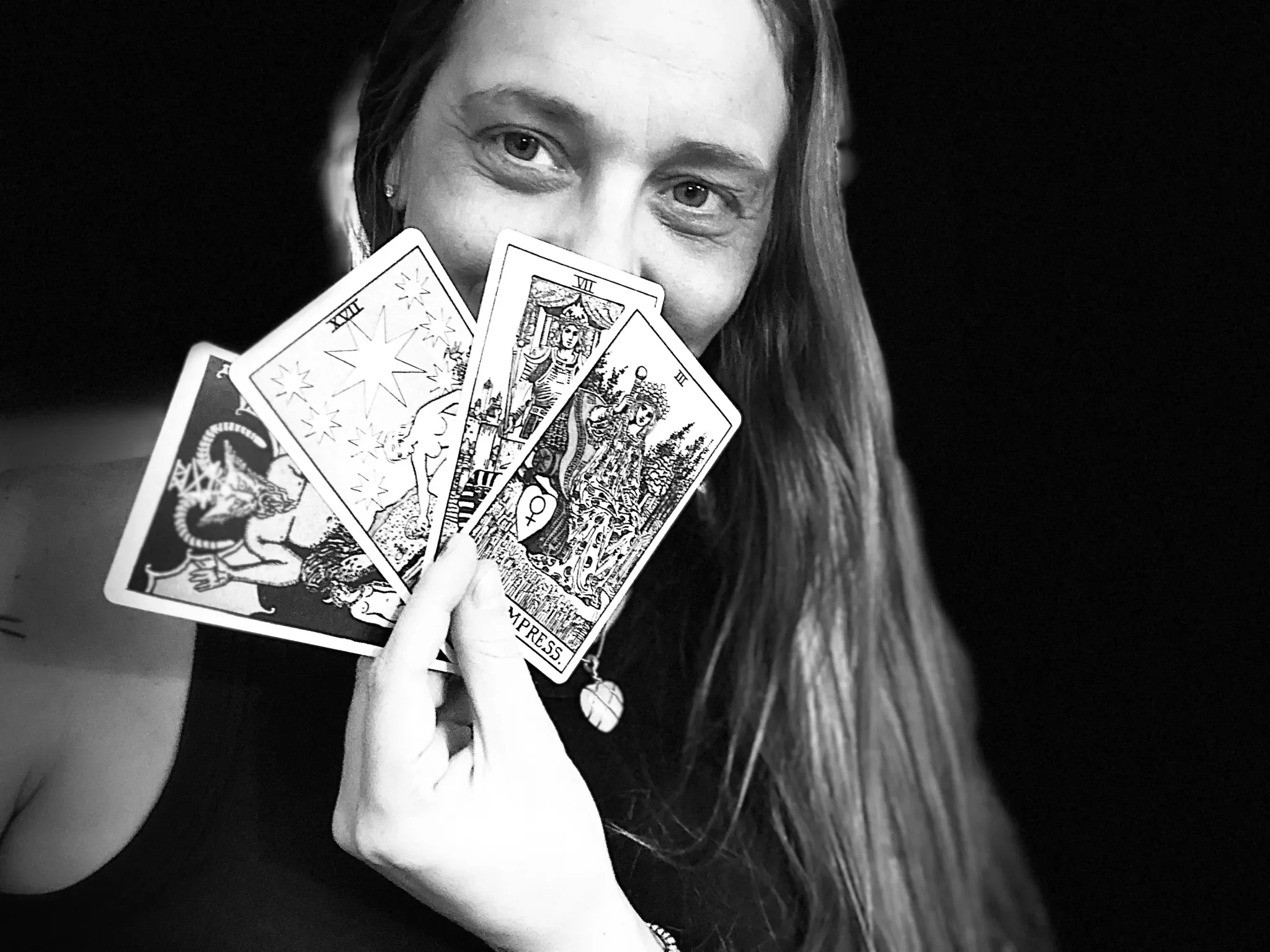
Tarot Symbolism: Stars
For as long as humans have looked up at night to watch the twinkling lights glitter against the black backdrop of space, humans have wondered at them and ascribed them mystical significance. Many cultures across the globe, going back as far as the historical record allows, believed stars encapsulated our risen souls after death, or an unborn soul, and in some cases were thought to house angels or deities. Across the board, though, there has been an otherworldly idea of their existence.
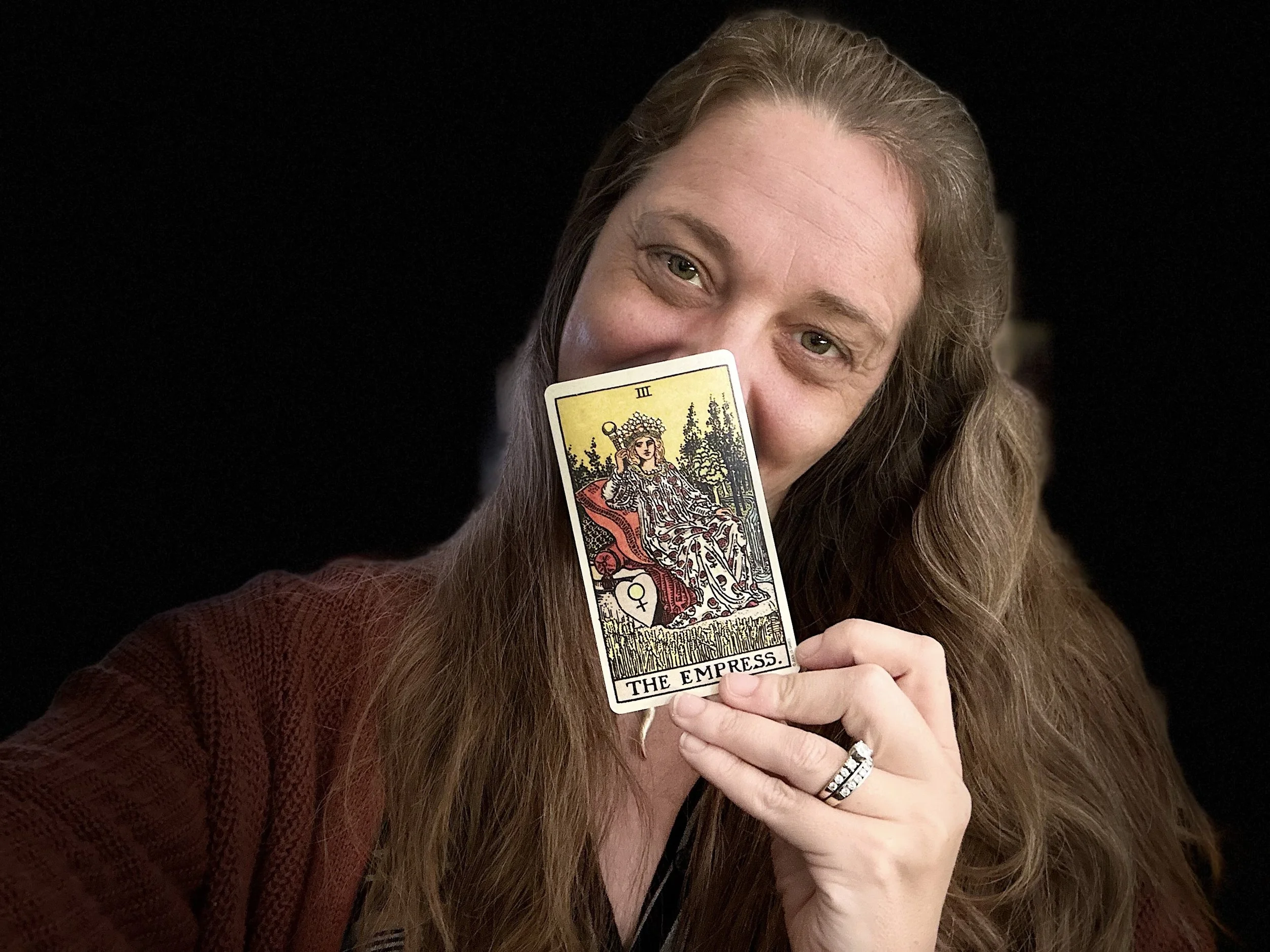
Tarot Symbolism: The Empress
“She is above all things universal fecundity and the outer sense of the Word.”
—Arthur Waite, The Pictorial Key to the Tarot, 1909
To say the Empress is a fertility goddess archetype isn’t quite capturing the depth of her essence. When Waite describers her as “universal fecundity,” he is bestowing her with the possession of not only the ability to be fertile, but to produce and reproduce in plentitude.
It’s the difference between a woman who has one or two children—she had to be fertile enough to become pregnant and therefore had the ability—and the fecund woman who would be the mother with thirteen children.
No, the Empress is more than just fertility. She is the be all and end all of a nature/mother/love/fertility goddess. She isn’t just the mother of new life personified; she is the action that brings about new life personified. Even more, she is the energetic force that drives all creation and growth through all through all seasons through all the years—she is the force that turns that seasonal wheel.
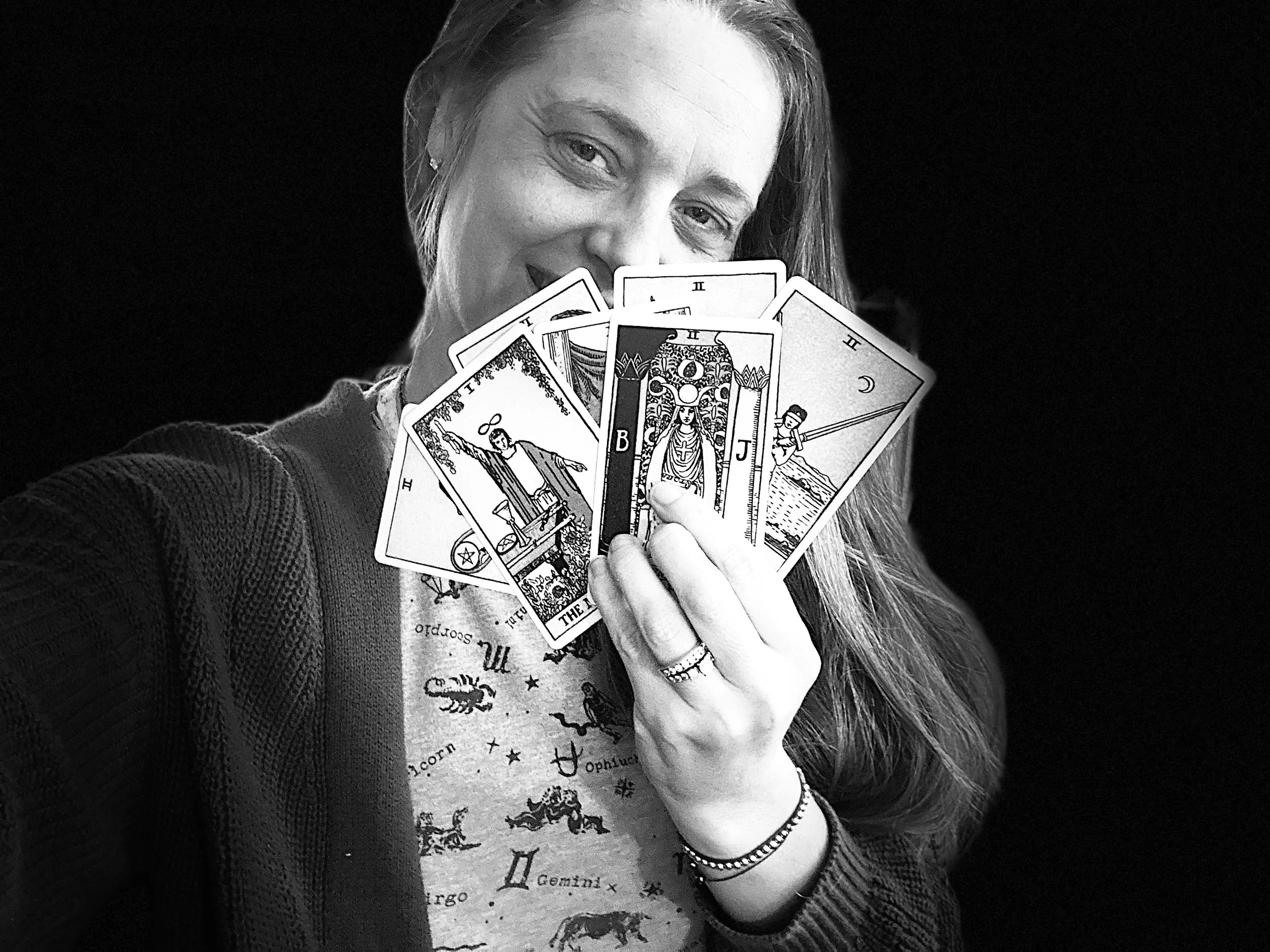
Tarot Symbolism: Duality
In the Anglo-American tarot tradition, the Fool is the beginning and the end. Therefore the Fool is also neither the beginning nor the end.
The Magician points one hand skyward, another to the earth, all to illustrate that as above, so is below. The robed figure actively manifests awareness into reality. They are surrounded in earthy colors associated with consciousness, daytime, and masculine energy.
Tarot Symbolism: The High Priestess
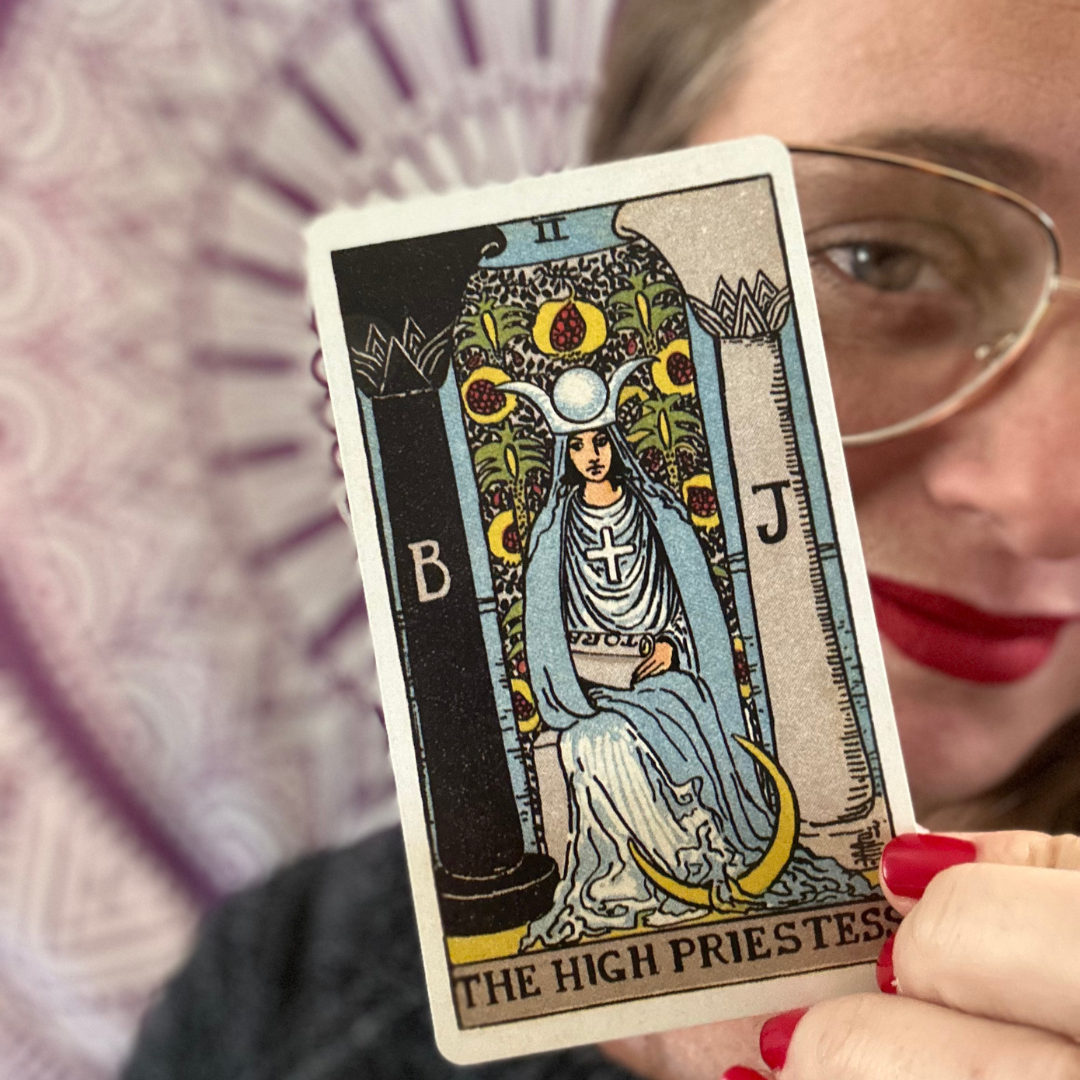
Some claim her to be Pope Joan—a mythical medieval woman who rose to the ranks of pope by pretending to be a man and was only discovered once she gave birth. Because this card replaced what was La Papessa in the Visconti Tarrocchi deck—the most complete historical example still in existence believed to be the inspiration for what later became the Tarot—she still carries this association. The Visconti family who commissioned the deck were said to be descendants from a live woman who belonged to a religious sect that tried to make it possible for women popes. Their ancestor was burned for this, and it's believed that is why they included La Popessa in their deck. It should be noted, their deck pre-dates the esoteric uses for the cards. Theirs was a deck intended to use in playing a game.
Tarot Symbolism: The Rose (& Lily)
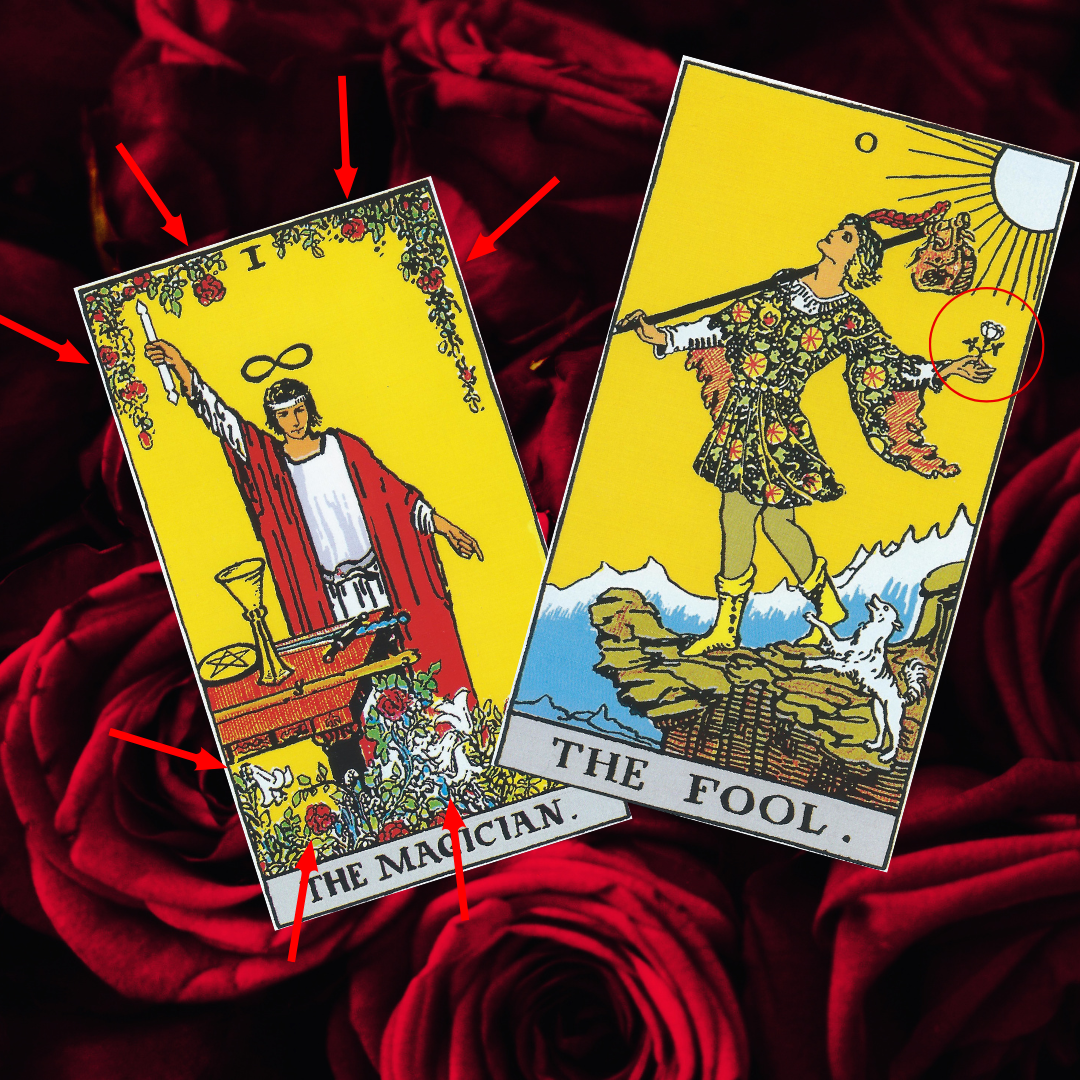
Would it surprise you, though, to learn that this most common of meanings for rose is related to neither the Fool nor the Magician card? Not beyond that, the white rose the Fool holds represents that innocent, pure, blank canvas suggestion of the roses stained red with Aphrodite's blood. The Fool holds a white rose to let us know this is the beginning, the fresh, the existence prior to the change. And in many cultures, white flowers are customary funeral flowers, associating them with death, too. In fact, we see the white rose reemerge on the flag thirteen cards later with Death. Death being the ending that brings about rebirth, a new beginning. The Fool is that new beginning.
Tarot Symbolism: The Magician
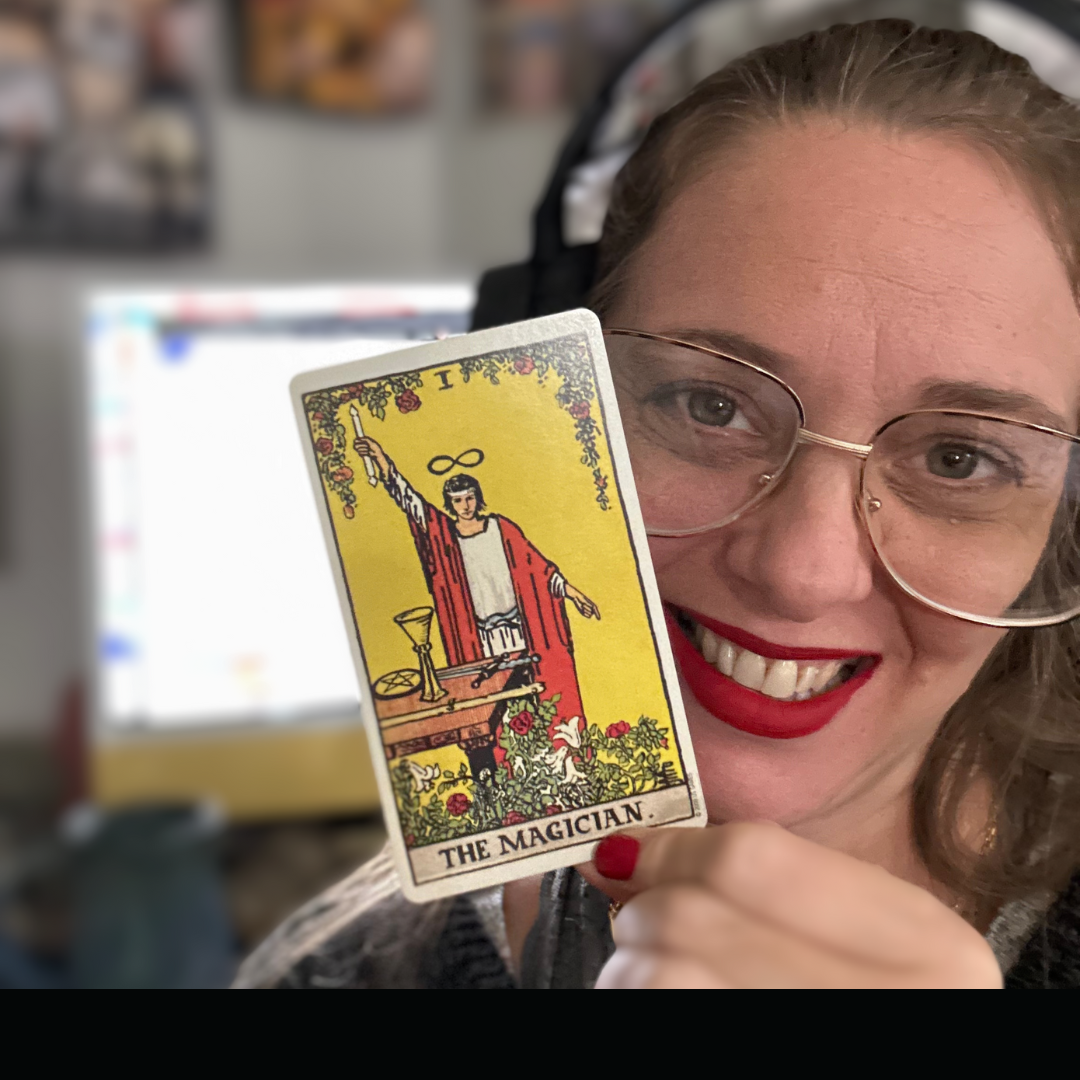
Striking yellow, rich red, and pops of white catch the eye in the first official card of the Major Arcana. The Magician — unlike the insensate Fool who both begins and ends the Major Arcana — is standing in the conscious plane. Where the sun, representing consciousness, rose in the sky above and behind the meandering Fool, the Magician here is surrounded by the light of awareness. They are robed in pure intentions (white) and sparked with the life force, the passion, the vitality to manifest their destiny (red). The tools of the four suits, the four elements, and the four states of being are laid out before them now. They are the alchemist experimenting with creating the possibilities of creating through divine awareness.
Tarot Symbolism: The Fool Card
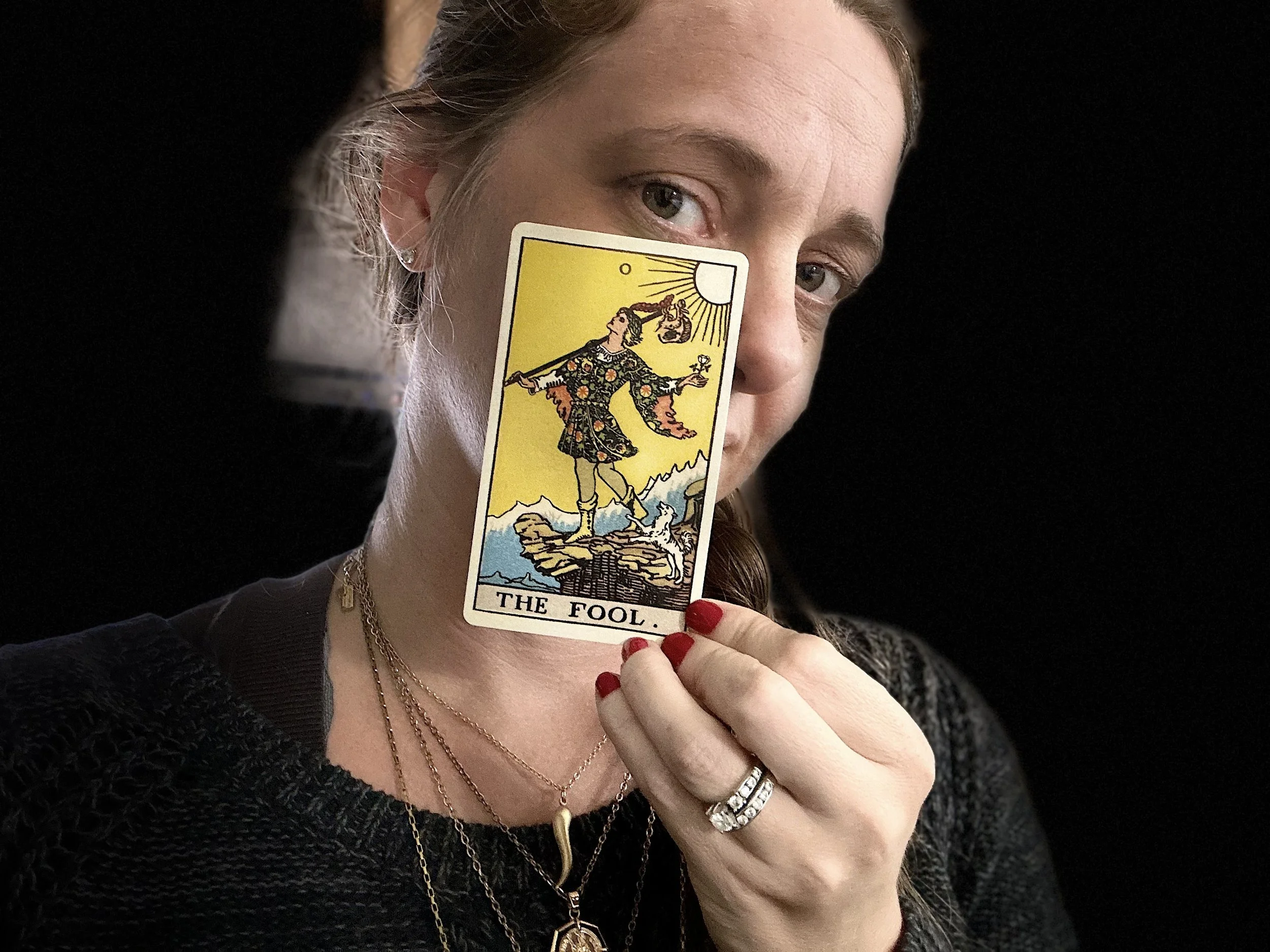
The conventional explanations say that the Fool signifies the flesh, the sensitive life, and by a peculiar satire its subsidiary name was at one time the alchemist, as depicting folly at the most insensate stage.