

Side Notes
by BB Soto
The thoughts that don’t make the main text—but matter anyway ♥️
All Side Notes
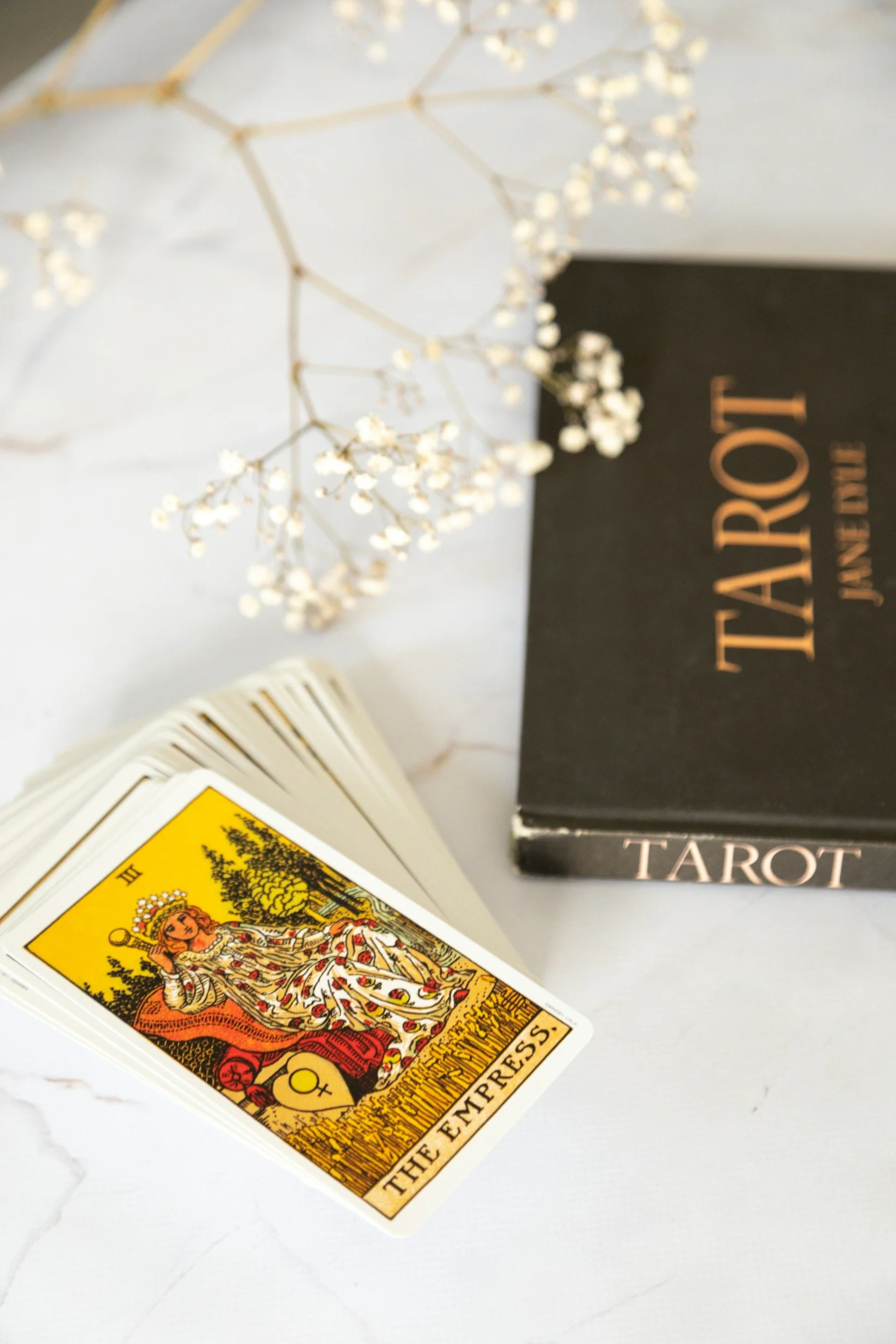
Tarot FAQ’s from My Table
Over the years, a few questions have come up often enough to become my personal Tarot FAQs. These are not the same as the information I provide for getting a reading, so if those are questions you have, please check out my Tarot page for answers to more generalized questions. These are the most frequently asked by people who usually get a reading from me at a public market, and they range from general curiosity to people who may be interested in learning to read for themselves. So in case you’ve ever wondered…
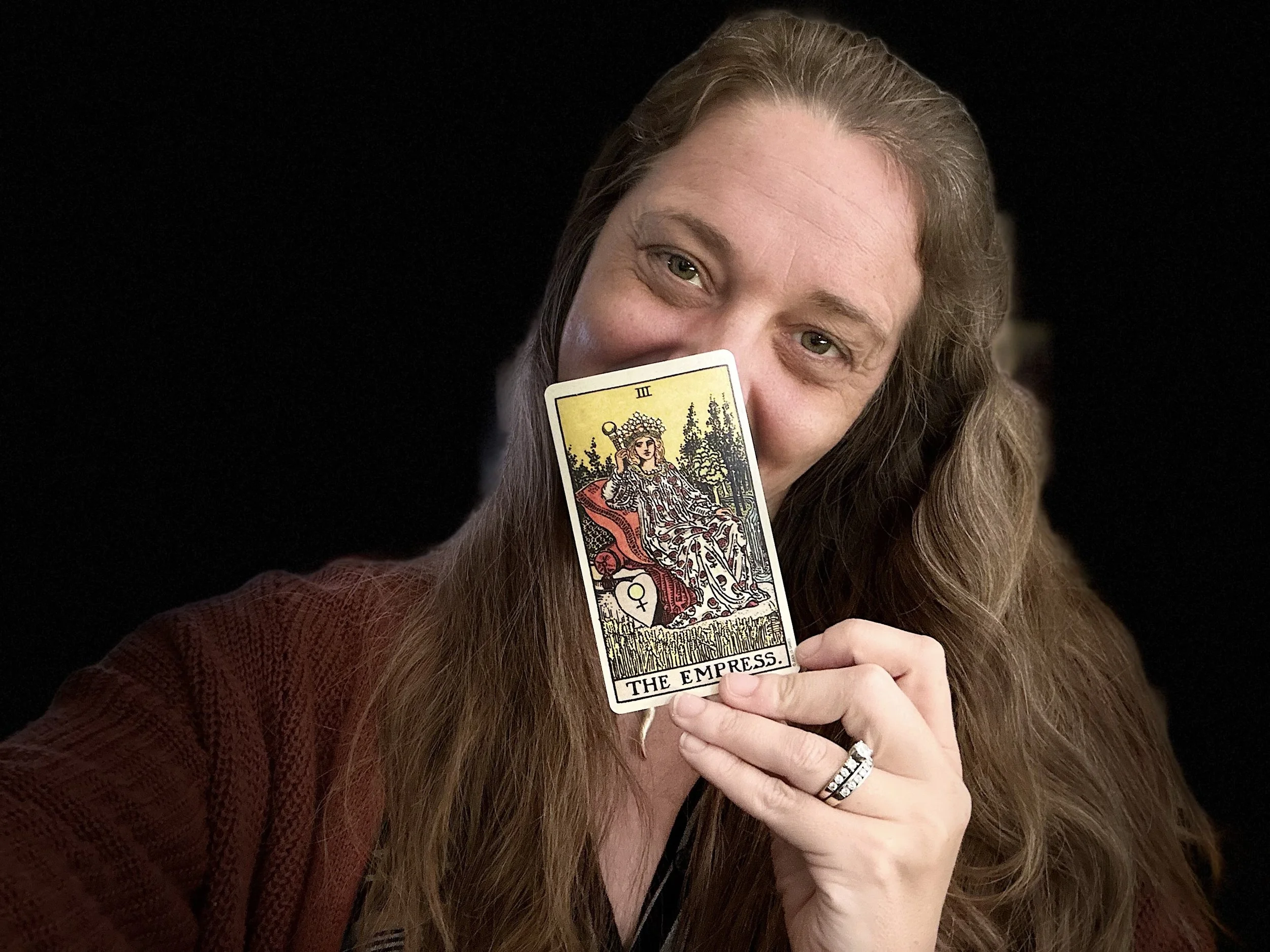
Tarot Symbolism: The Empress
“She is above all things universal fecundity and the outer sense of the Word.”
—Arthur Waite, The Pictorial Key to the Tarot, 1909
To say the Empress is a fertility goddess archetype isn’t quite capturing the depth of her essence. When Waite describers her as “universal fecundity,” he is bestowing her with the possession of not only the ability to be fertile, but to produce and reproduce in plentitude.
It’s the difference between a woman who has one or two children—she had to be fertile enough to become pregnant and therefore had the ability—and the fecund woman who would be the mother with thirteen children.
No, the Empress is more than just fertility. She is the be all and end all of a nature/mother/love/fertility goddess. She isn’t just the mother of new life personified; she is the action that brings about new life personified. Even more, she is the energetic force that drives all creation and growth through all through all seasons through all the years—she is the force that turns that seasonal wheel.
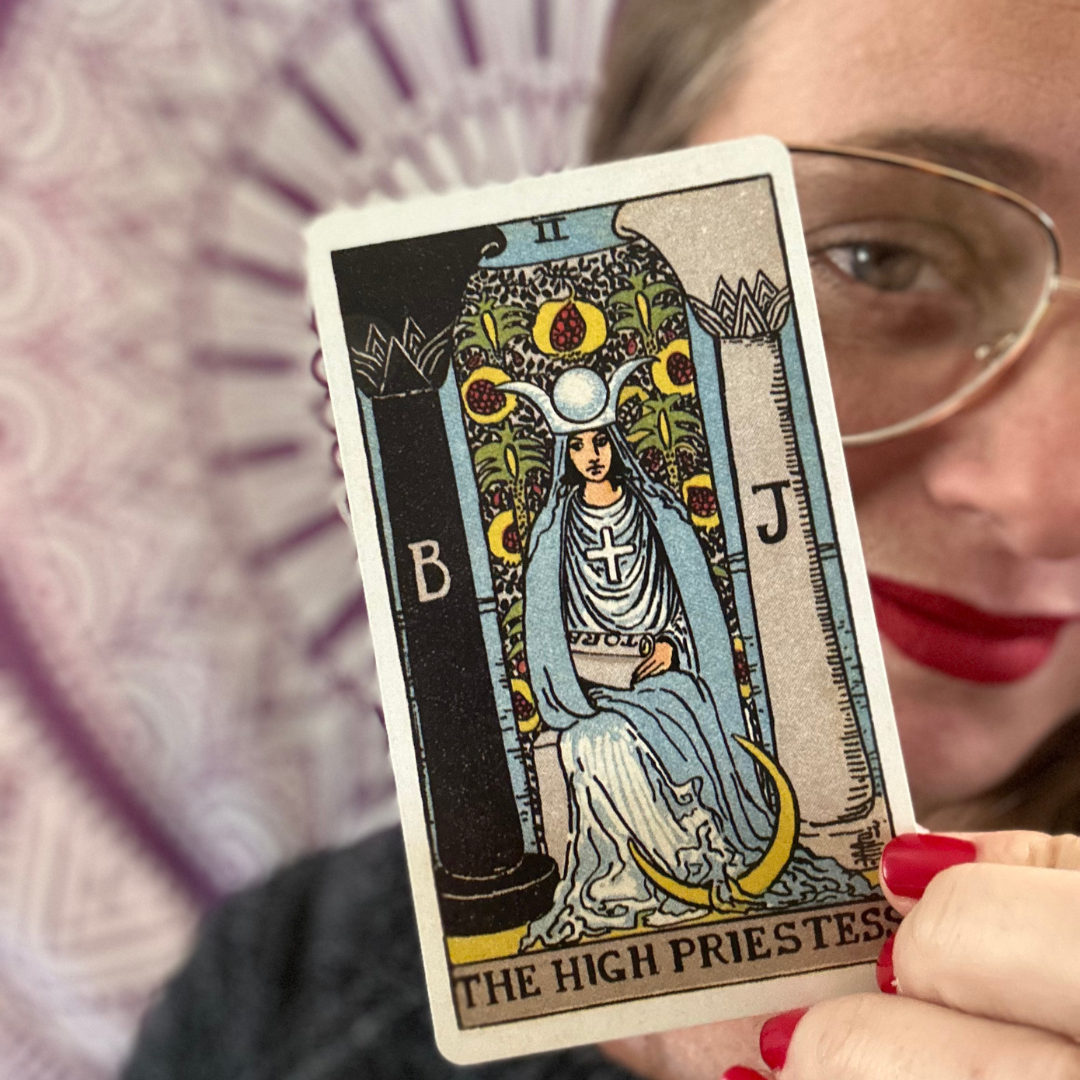
Tarot Symbolism: The High Priestess
Some claim her to be Pope Joan—a mythical medieval woman who rose to the ranks of pope by pretending to be a man and was only discovered once she gave birth. Because this card replaced what was La Papessa in the Visconti Tarrocchi deck—the most complete historical example still in existence believed to be the inspiration for what later became the Tarot—she still carries this association. The Visconti family who commissioned the deck were said to be descendants from a live woman who belonged to a religious sect that tried to make it possible for women popes. Their ancestor was burned for this, and it's believed that is why they included La Popessa in their deck. It should be noted, their deck pre-dates the esoteric uses for the cards. Theirs was a deck intended to use in playing a game.
Tarot Symbolism: The Rose (& Lily)
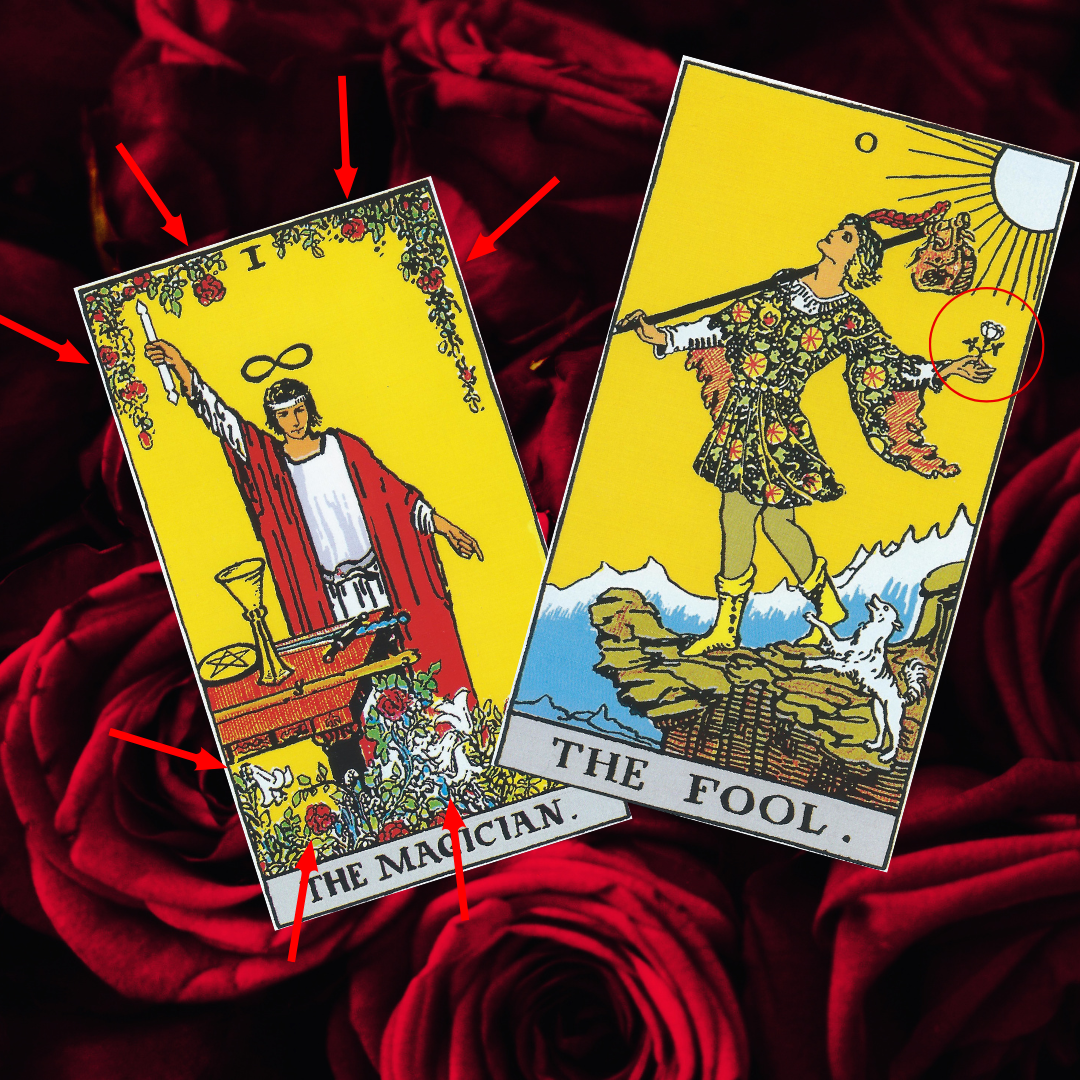
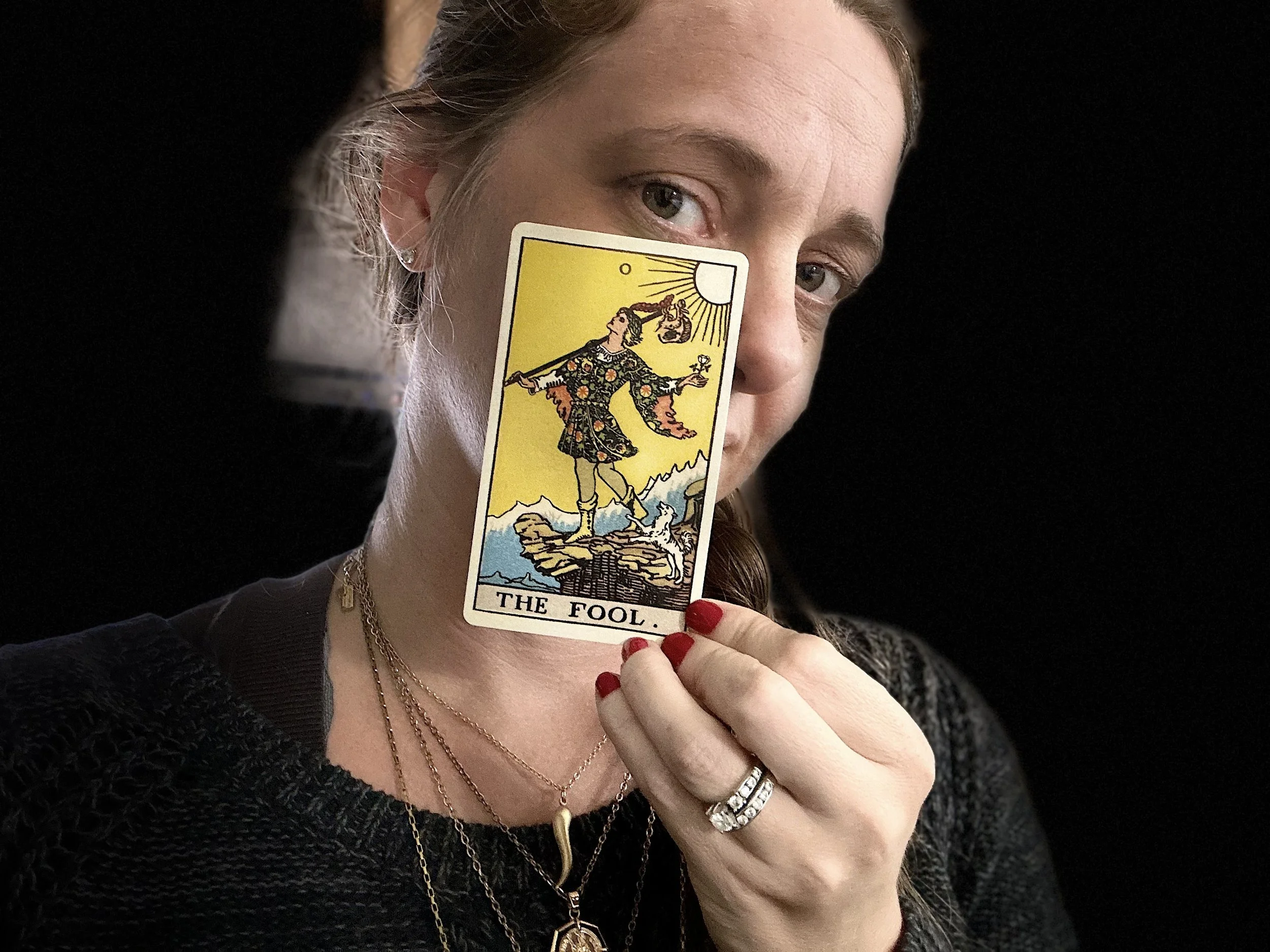
Would it surprise you, though, to learn that this most common of meanings for rose is related to neither the Fool nor the Magician card? Not beyond that, the white rose the Fool holds represents that innocent, pure, blank canvas suggestion of the roses stained red with Aphrodite's blood. The Fool holds a white rose to let us know this is the beginning, the fresh, the existence prior to the change. And in many cultures, white flowers are customary funeral flowers, associating them with death, too. In fact, we see the white rose reemerge on the flag thirteen cards later with Death. Death being the ending that brings about rebirth, a new beginning. The Fool is that new beginning.
Tarot Symbolism: The Magician
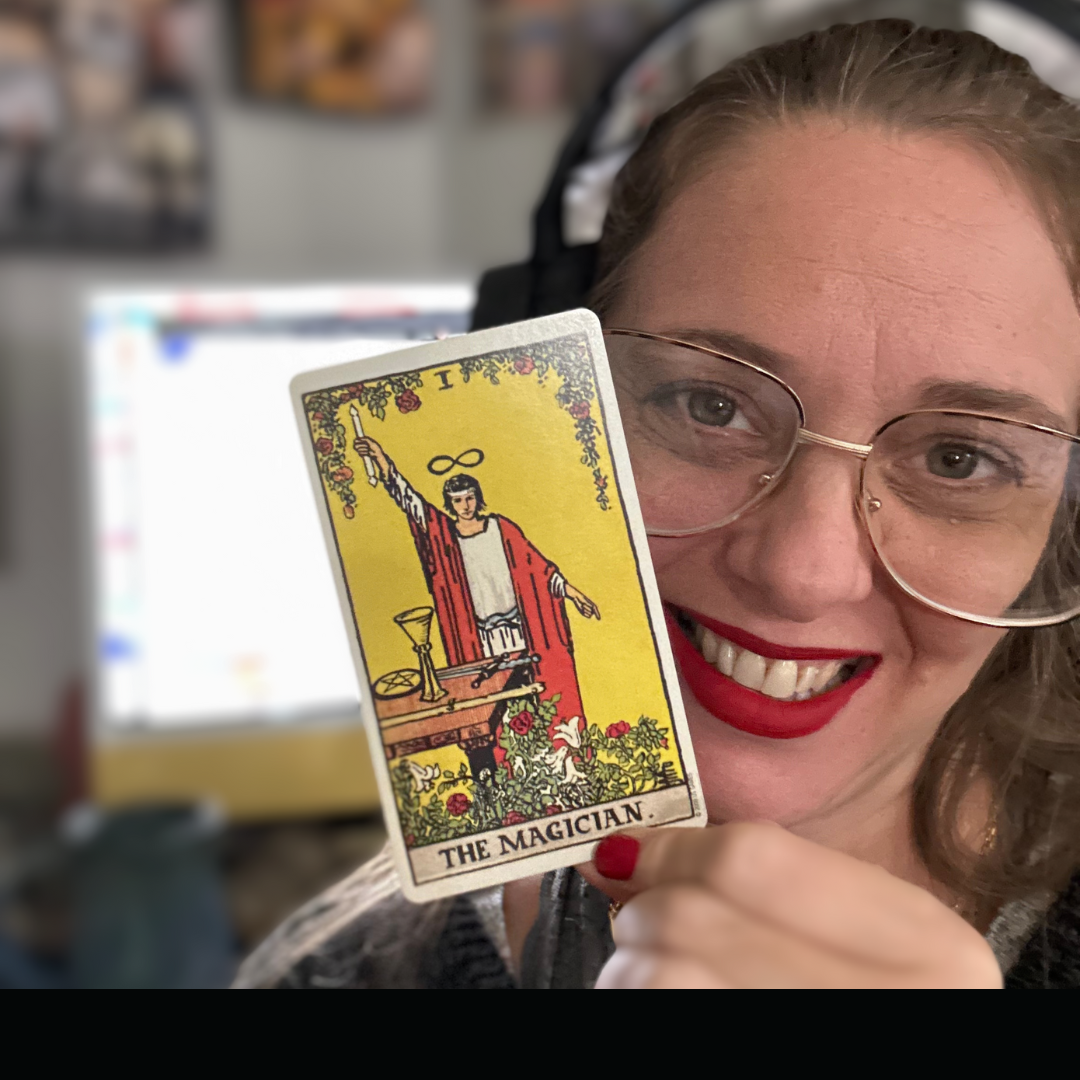
Striking yellow, rich red, and pops of white catch the eye in the first official card of the Major Arcana. The Magician — unlike the insensate Fool who both begins and ends the Major Arcana — is standing in the conscious plane. Where the sun, representing consciousness, rose in the sky above and behind the meandering Fool, the Magician here is surrounded by the light of awareness. They are robed in pure intentions (white) and sparked with the life force, the passion, the vitality to manifest their destiny (red). The tools of the four suits, the four elements, and the four states of being are laid out before them now. They are the alchemist experimenting with creating the possibilities of creating through divine awareness.
Tarot Symbolism: The Fool Card
The conventional explanations say that the Fool signifies the flesh, the sensitive life, and by a peculiar satire its subsidiary name was at one time the alchemist, as depicting folly at the most insensate stage.