

Side Notes
by BB Soto
The thoughts that don’t make the main text—but matter anyway ♥️
All Side Notes
Flowers of the Underworld
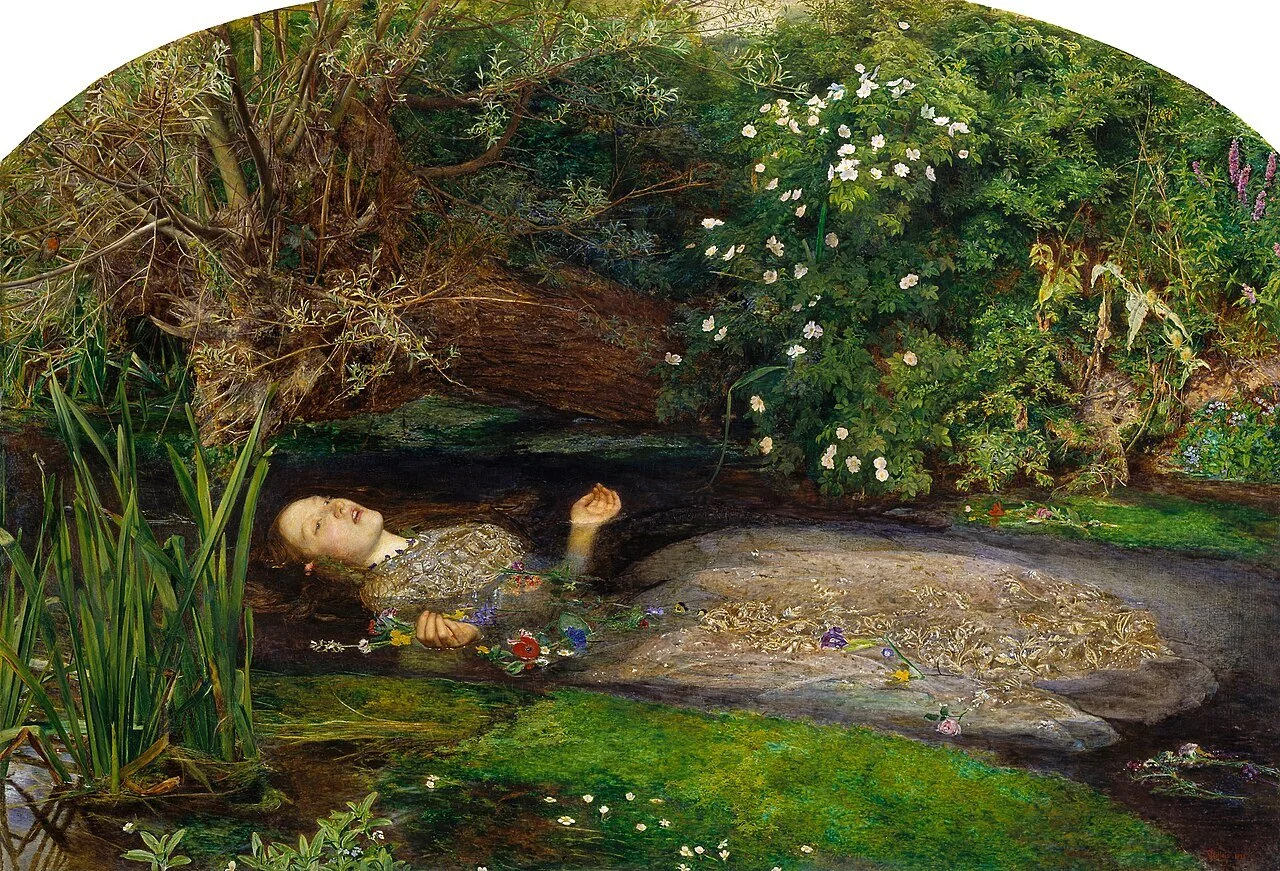
In December, when the world descends into its darkest days, Narcissus tazetta aka narcissus paperwhite flowers bloom making them one of the two birth flowers for the month. Holly is the other December flower. These delicate white blossoms with their golden centers hold a profound mythological significance—they are the very flowers Persephone was picking when Hades abducted her into the Underworld. The timing is no coincidence. As December’s birth flower, the narcissus marks the deepest point of winter’s descent, mirroring Persephone’s own journey down into the realm of shadows. She was drawn to their beauty, their fragrance, and in that moment of reaching for them, the earth opened and she was pulled into darkness.
Tarot Symbolism: The Empress
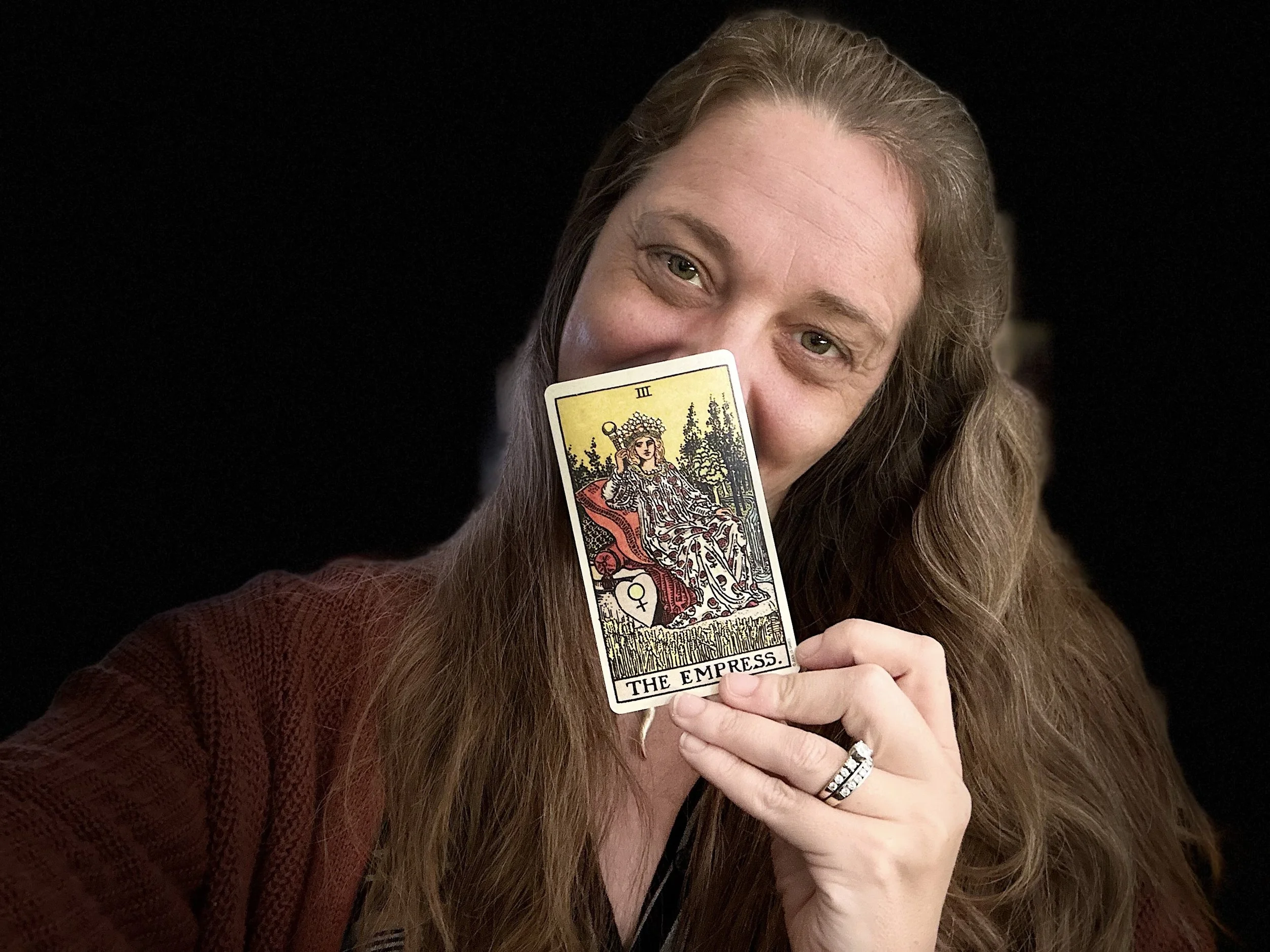
“She is above all things universal fecundity and the outer sense of the Word.”
—Arthur Waite, The Pictorial Key to the Tarot, 1909
To say the Empress is a fertility goddess archetype isn’t quite capturing the depth of her essence. When Waite describers her as “universal fecundity,” he is bestowing her with the possession of not only the ability to be fertile, but to produce and reproduce in plentitude.
It’s the difference between a woman who has one or two children—she had to be fertile enough to become pregnant and therefore had the ability—and the fecund woman who would be the mother with thirteen children.
No, the Empress is more than just fertility. She is the be all and end all of a nature/mother/love/fertility goddess. She isn’t just the mother of new life personified; she is the action that brings about new life personified. Even more, she is the energetic force that drives all creation and growth through all through all seasons through all the years—she is the force that turns that seasonal wheel.
Tarot Symbolism: The Fool Card
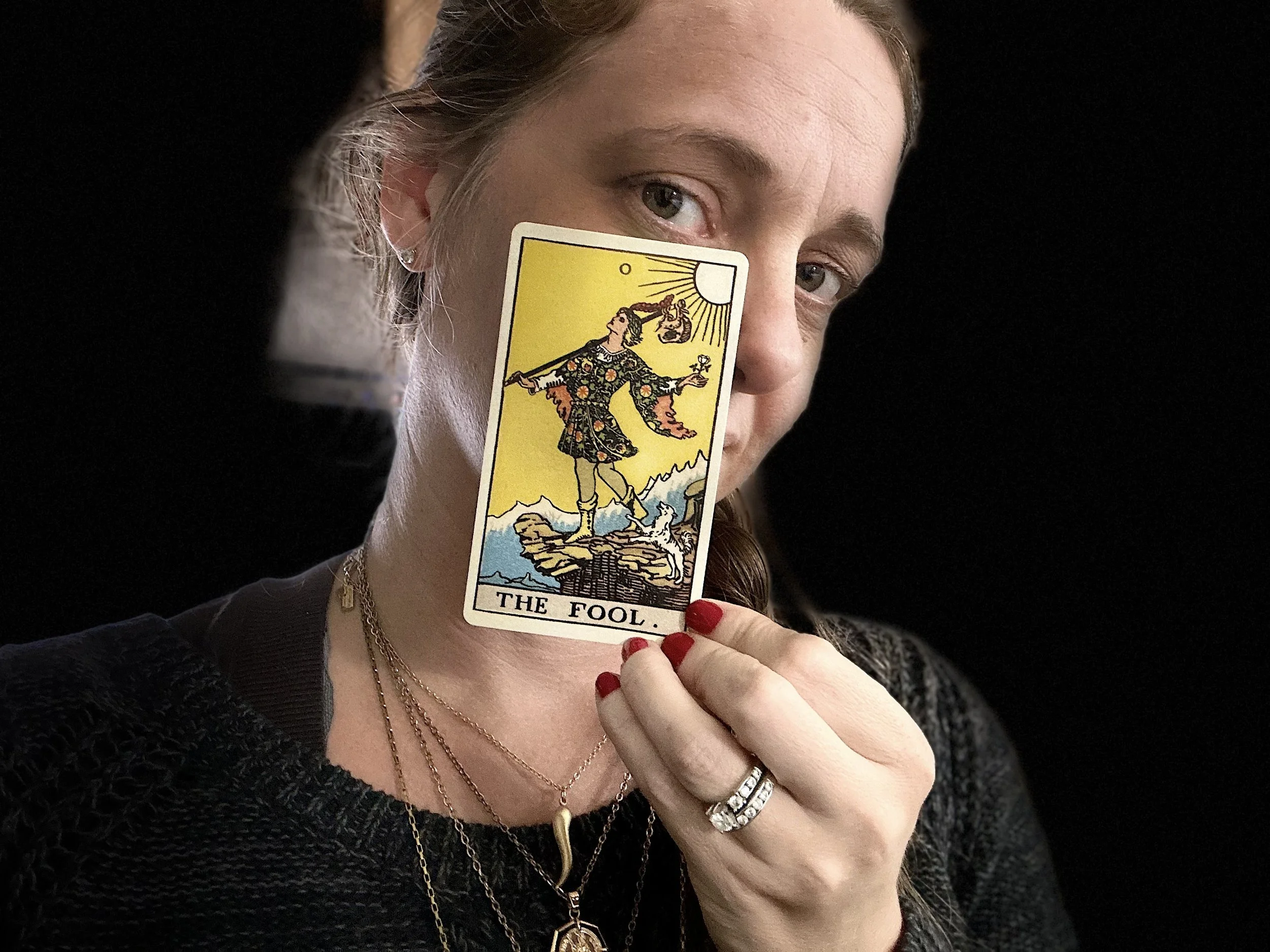
The conventional explanations say that the Fool signifies the flesh, the sensitive life, and by a peculiar satire its subsidiary name was at one time the alchemist, as depicting folly at the most insensate stage.